When Is the Best Time to Travel to Greece?
What Is the Best Month to Go to Greece?
Greece is a country where everyday life and ancient history sit side by side, shaped by a landscape of mountains, islands and an ever-present sea. From classical ruins and Byzantine towns to small fishing villages and modern cities, Greece offers an extraordinary mix of culture, cuisine and coastline. Its climate, regional diversity and strong local traditions mean that travel experiences vary widely depending on where and when you go, making timing an important part of planning any trip.
Travellers planning a trip to Greece almost always ask the same two questions. When is the best time to travel to Greece? and what is the best month to go to Greece? The answer is not as simple as “summer”. The best time to visit Greece depends on what you value most, whether that is weather, crowd levels, cost, cultural events or the type of activities you want to prioritise.
Many articles reduce this decision to peak season versus low season. That approach misses important details that directly affect the quality of a trip, such as regional climate differences, ferry schedules, seasonal openings and how Greece actually feels month by month. This guide explains the best time to go to Greece in practical terms, so you can choose the right period for your style of travel.
But First,
If you are planning a trip to Greece and want accommodation that feels considered rather than generic, Have You Got brings together professionally managed stays across the Greek islands and mainland destinations. Properties on Have You Got are managed by experienced local property managers, offering clearer expectations around quality, amenities and location. If you want to travel to a destinations not on Have You Got yet, we can also help you find your perfect property with a verified manager! We'll find your perfect place.
How Greece’s Seasons Actually Work
Greece does not follow the four-season pattern found in northern Europe. Instead, travel conditions are shaped by three broad seasonal periods.
High season runs from June to September and is characterised by dry weather, long days and high temperatures. Shoulder seasons fall in April to May and October, offering milder conditions and fewer visitors. Low season spans November to March, bringing cooler temperatures and more rainfall, particularly in northern and mainland regions.
Across the year, daytime temperatures rarely drop below 10°C, even in winter. Summer temperatures regularly exceed 30°C, especially in July and August. Rainfall is concentrated mainly in winter, although brief showers can occur in spring and autumn.
Weather alone does not determine the best time to travel to Greece. Crowd levels, pricing, ferry frequency, and the rhythm of local life all play a major role in how a trip feels.

What Is the Best Month to Go to Greece?
April and May
Best for balanced travel and outdoor exploration
April and May are often considered the smartest months to visit Greece. Days are warm but not oppressive, landscapes are green and colourful, and major historical sites are far more enjoyable without peak-season crowds.
These months are ideal for cultural sightseeing in Athens, Delphi and Epidaurus, hiking in Crete or the Peloponnese, and experiencing Greek Easter traditions. Prices are noticeably lower than in summer, and accommodation availability is generally good.
The main limitation is that some smaller islands and seasonal businesses may still be preparing for summer, particularly early in April.
June
Best overall month for weather and variety
June is often the best single month to travel to Greece for travellers who want reliable weather without the intensity of high summer. Sea temperatures begin to rise, ferry schedules are fully operational, and most islands are lively without being overwhelmed.
It is an excellent month for beach holidays, island hopping and combining cities with coastal destinations. Prices are higher than in spring but still below July and August levels.
July and August
Best for beaches, nightlife and guaranteed sunshine
July and August define the classic Greek summer. Days are hot, dry and bright, and island life is in full swing. All tourist services operate at maximum capacity, and nightlife is at its most active, particularly in destinations such as Mykonos and Ios.
However, these months also bring the highest prices and the largest crowds. Inland sites can feel uncomfortably hot during the day, and popular attractions require early starts to avoid congestion.
September
Best month to visit Greece for comfort and value
September combines many of the advantages of June with a slightly calmer atmosphere. The sea remains warm, days are still sunny, and evenings become more comfortable.
Crowds begin to thin, accommodation prices ease, and travel feels less pressured. For many experienced travellers, September is one of the best months to go to Greece overall.
Some seasonal nightlife and tourist services may begin to scale back toward the end of the month, particularly on smaller islands.
October
Best for quieter travel and lower costs
October marks a clear transition into the shoulder season. Early October often still offers warm weather suitable for swimming, while prices continue to drop.
This month suits travellers focused on culture, photography, food and relaxed exploration rather than beach clubs or nightlife. Ferry services remain available but may be less frequent later in the month.
November to March
Best for cities and local experiences
The low season is not ideal for beach travel, but it offers a very different perspective on Greece. Athens, Thessaloniki and other cities become more relaxed and authentic, with museums, galleries and restaurants taking centre stage.
Winter is also a good time to explore mountainous regions, archaeological sites without crowds and everyday Greek life. Some islands close hotels and reduce services significantly during this period.

The Best Time to Travel to Greece by Region
Athens and Central Greece
The best time to visit is from April to June and September to October. Winters are mild, making Athens a year-round city destination.
Cyclades Islands
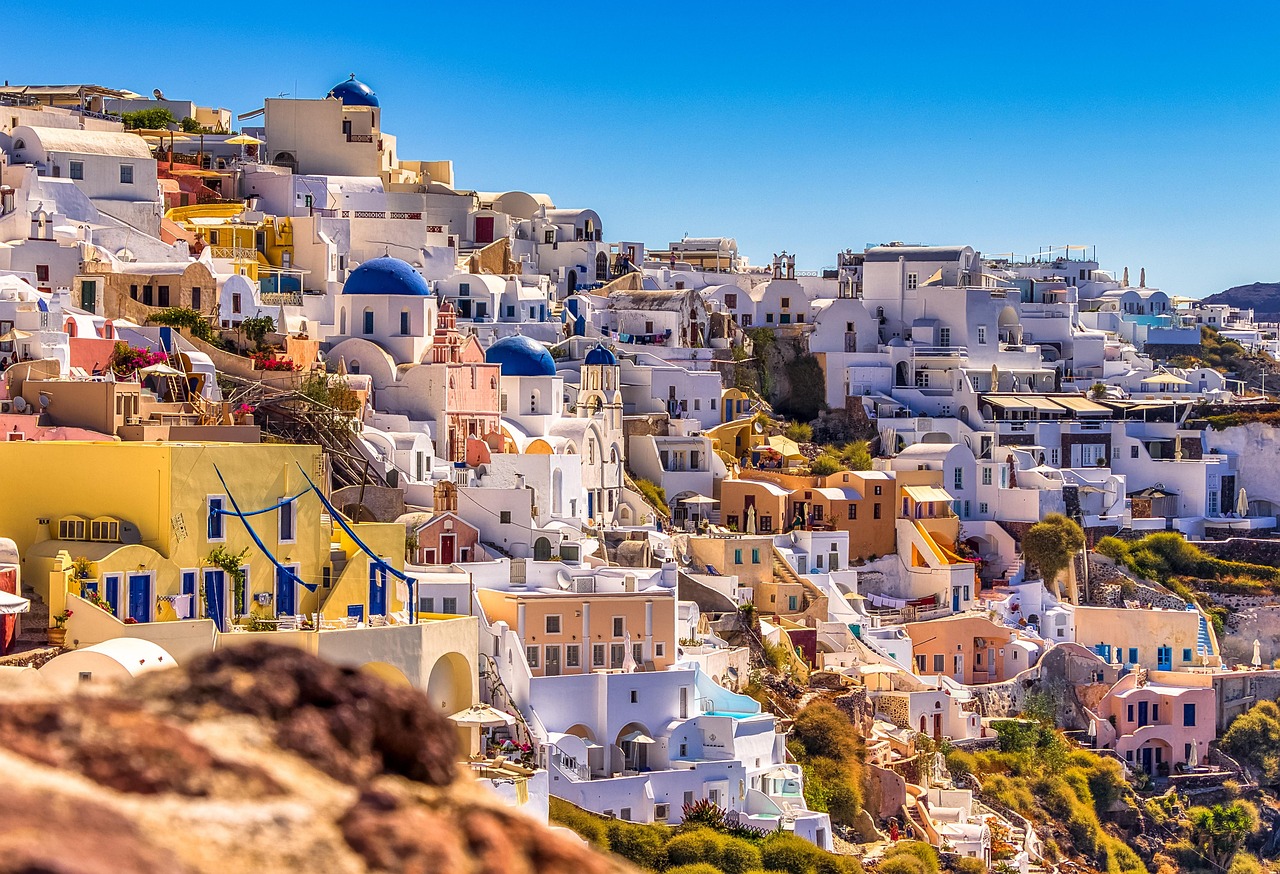
Santorini, Mykonos, Paros and Naxos are best from late May to early October. July and August are busiest and most expensive.
Crete and the Dodecanese
These regions enjoy a longer warm season. May, June and September are particularly good, with October often still suitable for swimming.
Northern Greece
Summers are warm, but winters are cooler and wetter. Spring and early autumn offer the most comfortable conditions.
Practical Local Resources
Visit Greece Official Tourism Website
Full url: https://www.visitgreece.gr
Opening hours for the Athens information office:
Monday to Friday, 09:00 to 17:00 local time
Greek National Tourism Organisation
Full url: http://www.gnto.gr
These resources provide seasonal event calendars, regional travel guidance and practical planning information, particularly useful when travelling outside peak summer months.
There is no single best time to travel to Greece that suits everyone. The best month to go depends on what you want from your trip.
June and September offer the best balance of weather, crowds and cost. April and May are ideal for culture, landscapes and value. July and August suit travellers seeking classic summer energy and beach life. October is excellent for quieter exploration, while winter months are best for city-focused and cultural travel.
Have You Got your accommodation yet?
We can help! We've got great properties for you, and if we don't have it, we'll find it for you!

Save time while you're on the trip and organise your tickets to all the attractions NOW so you don't have to while you're there. Quick and easy!

Deborah Labi
Author
Destination Travel Series
- South Africa, Dolphin Coast
- Spain, Marbella
- Dubai, United Arab Emirates (UAE)
- Scotland, Edinburgh
- United Kingdom, London
- Portugal, Lisbon
- France, Nice
- Italy, Piedmont
- Italy, Lecce
- Australia, NSW
- Mexico, Cozumel
- United Kingdom, Devon
- France, Haute-Savoie
- South Africa, Cape Town
- Spain, Costa Blanca
- Morocco, Marrakesh
- USA, Disneyworld, Florida
- Spain, Gran Canaria
- Israel
- South Africa
- Spain, Barcelona
- France, Paris
- Spain, Madrid
- Australia, Sydney
- Italy, Lake Como
- Spain, Nerja
- Thailand
- Spain
- Greece
Tags
Things to KnowRecent Posts
When Is the Best Time to Travel to Greece?
The Best Time to Visit Dubai — And the Best Month for Your Trip
The 10 (+ 3 Extra!) Best Restaurants in Nerja, Spain: Top Dining Spots You Can't Miss
Everything You Need to Know About Nice, France: Travel Tips, The Best Time to Go to Nice, Beaches, Where to Stay and More
Our Partners



© 2024 Have You Got. All rights reserved.