When Is the Best Time to Visit Thailand? (And When You Should Avoid It)
The Best Months to Go to Thailand, Explained Properly
Thailand is a year-round destination, but the best time to travel depends on far more than a single weather chart. Climate varies sharply by region, rainfall patterns are misunderstood, prices fluctuate dramatically by month, and the experience of travelling in Thailand in April is entirely different from travelling in September, even if the temperature looks similar on paper.
Most articles reduce this decision to a simple “dry season vs rainy season” explanation. That is convenient, but incomplete. This guide explains when to travel to Thailand based on what actually matters to travellers: comfort, cost, crowds, regional differences, activities, and the type of trip you want to have.
But first, make sure your villa suits the season. Whether you’re heading to the lantern festivals in Chiang Mai, chasing winter sun on the islands, or travelling off-peak for a slower pace and lower cost, Have You Got helps you stay in the right place at the right time.
With a curated selection of professionally managed villas across Thailand, from coastal escapes to tropical hillside retreats, Have You Got connects you with trusted local experts. So whether you want a sea breeze, mountain views, or peace away from the crowds, you'll find a villa that fits your plans and your comfort.

Understanding Thailand’s Climate (Without the Myths)
Thailand does not have four seasons. It has three broad climatic periods, influenced by monsoon systems rather than temperature swings:
– Cool & Dry Season: November to February
– Hot Season: March to May
– Rainy (Green) Season: June to October
Temperatures remain warm year-round, typically between 26°C and 34°C, so rainfall, humidity and wind patterns matter far more than the thermometer.
Crucially, rainfall is not uniform across Thailand. The Gulf coast, Andaman coast and northern regions experience rain at different times and intensities, something many guides fail to explain clearly.

The Best Time to Travel to Thailand Overall
November to February: The Most Comfortable Months
November, December, January and February are widely considered the best months to go to Thailand, and for good reason.
– Lower humidity
– Cooler evenings
– Minimal rainfall in most regions
– Calm seas on both coasts
This is the ideal time for:
– First-time visitors
– Cultural sightseeing (Bangkok, Chiang Mai, Ayutthaya)
– Island hopping
– Long outdoor days without heat exhaustion
Trade-off:
This is peak season. Prices are higher, popular islands are busier, and availability tightens quickly, especially from mid-December to mid-January.

Month-by-Month: The Best Months to Go to Thailand Explained
January & February
Best for: Weather, festivals, beach and culture
These are the most balanced months in Thailand. Days are sunny, evenings are pleasant, and rainfall is minimal almost everywhere.
– Excellent for Phuket, Krabi, Koh Lanta, Koh Phi Phi
– Ideal for northern Thailand and hill regions
– High demand and higher prices
March
Best for: Beaches before the intense heat
March remains dry but temperatures start to climb, particularly inland.
– Still excellent for the Andaman coast
– Bangkok becomes noticeably hotter
– Good availability before Easter travel peaks
April
Best for: Festivals and energy (if you can handle the heat)
April is the hottest month in Thailand, with temperatures regularly exceeding 35°C.
– Songkran (Thai New Year) takes place mid-April
– Travel is lively, social and chaotic in the best way
– Not ideal for long walking days or temples
May
Best for: Lower prices and fewer crowds
Rain begins to appear, but typically in short, heavy bursts rather than all-day downpours.
– Lush landscapes start to return
– Beaches still enjoyable
– Significantly better value accommodation
June to August
Best for: Budget travellers and quieter experiences
This is the heart of the green season, but conditions vary:
– Andaman coast sees more rainfall
– Gulf islands (Koh Samui, Koh Phangan, Koh Tao) remain relatively dry
– Temperatures are warm but manageable
Contrary to popular belief, many travellers prefer this period due to fewer crowds and a slower pace.
September & October
Best for: Value-driven travellers who prioritise space
These are the wettest months nationally, but also the quietest.
– Some ferry routes may be disrupted
– Landscapes are at their greenest
– Accommodation prices are at their lowest
For experienced travellers who value calm over predictability, this period can be rewarding.
November
Best for: The return of balance
November marks the transition back to drier conditions.
– Waterfalls and forests are still lush
– Rainfall drops significantly
– Peak season pricing has not yet fully returned
For many repeat visitors, November is the single best month to travel to Thailand.

Best Time to Visit Thailand by Region
Bangkok & Central Thailand
– Best: November to February
– Avoid if sensitive to heat: April
Northern Thailand (Chiang Mai, Chiang Rai)
– Best: November to February
– Avoid: March to early April (burning season)
Andaman Coast (Phuket, Krabi)
– Best: December to March
– Rough seas: June to October
Gulf Islands (Koh Samui, Koh Tao)
– Best: January to September
– Heaviest rain: October to November
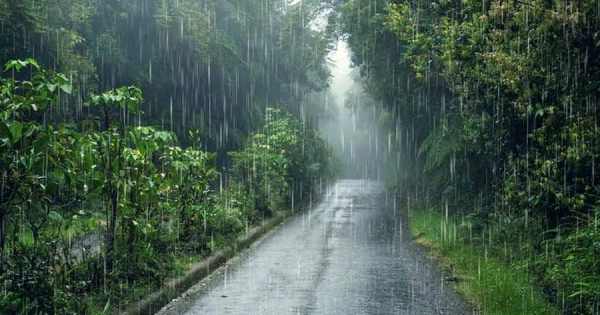
September to October: The Worst Time to Visit Thailand. These are the wettest months across much of the country, and they come with risks.
When Is the Best Time to Travel to Thailand for You?
The best months to go to Thailand depend on your priorities, not just the weather.
– Want perfect beach days and minimal rain? Choose January or February
– Want lower prices and fewer tourists? Choose May or September
– Want festivals and atmosphere? Choose April
– Want balance without crowds? Choose November
This nuance is missing from most guides, which treat all travellers as if they want the same experience.

When to Go Based on What You Want
| Travel Goal | Best Time to Visit | Worst Time to Visit |
|---|---|---|
| Beach holiday (Phuket/Krabi) | December – April |
May – October
|
| Beach holiday (Koh Samui) | February – August |
October – December
|
| Trekking & Outdoor Activities | November – February |
August – September
|
| Festivals & Culture | November (Loy Krathong), April (Songkran) |
September – October (flood risks)
|
| Clean Air in Chiang Mai | November – January |
March – April (burning season)
|
| Low Prices & Fewer Tourists | May, June, October |
December – January
|
Timing Mistakes to Avoid
-
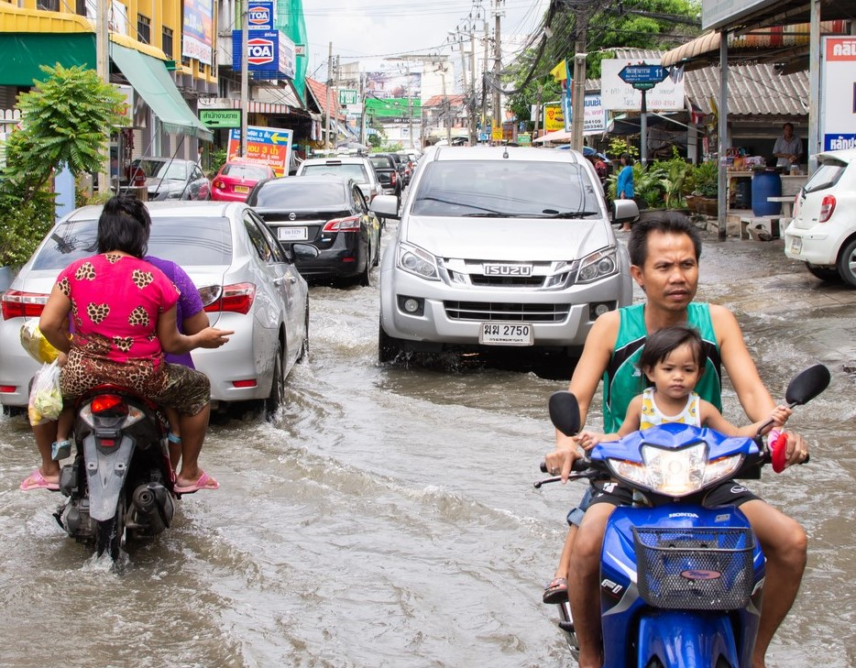
Don’t assume Thailand’s weather is the same countrywide. Koh Samui’s rainy season is months apart from Phuket’s.
-
Avoid planning long treks during peak monsoon months—muddy trails and leeches are real issues.
-
Be aware of festival surges: prices spike, and availability disappears fast during Songkran and Loy Krathong.
-
If travelling in March or April, check daily air quality forecasts—especially for the north.
Practical Planning Resources
Tourism Authority of Thailand (TAT)
Website: https://www.tourismthailand.org
Opening hours (Bangkok office):
Monday to Friday, 08:30–16:30 (local time)
The TAT site provides regional weather updates, festival calendars and travel advisories that are particularly useful when travelling in shoulder seasons.
Choose your moment—and Thailand will reward you richly.

And remember, the right season deserves the right place to stay. Don’t leave it to chance. Explore trusted, quality-managed accommodation options now at www.haveyougot.com/thailand


Deborah Labi
Author
Destination Travel Series
- South Africa, Dolphin Coast
- Spain, Marbella
- Dubai, United Arab Emirates (UAE)
- Scotland, Edinburgh
- United Kingdom, London
- Portugal, Lisbon
- France, Nice
- Italy, Piedmont
- Italy, Lecce
- Australia, NSW
- Mexico, Cozumel
- United Kingdom, Devon
- France, Haute-Savoie
- South Africa, Cape Town
- Spain, Costa Blanca
- Morocco, Marrakesh
- USA, Disneyworld, Florida
- Spain, Gran Canaria
- Israel
- South Africa
- Spain, Barcelona
- France, Paris
- Spain, Madrid
- Australia, Sydney
- Italy, Lake Como
- Spain, Nerja
- Thailand
- Spain
- Greece
Tags
Things to KnowRecent Posts
When Is the Best Time to Travel to Greece?
The Best Time to Visit Dubai — And the Best Month for Your Trip
The 10 (+ 3 Extra!) Best Restaurants in Nerja, Spain: Top Dining Spots You Can't Miss
Everything You Need to Know About Nice, France: Travel Tips, The Best Time to Go to Nice, Beaches, Where to Stay and More
Our Partners



© 2024 Have You Got. All rights reserved.